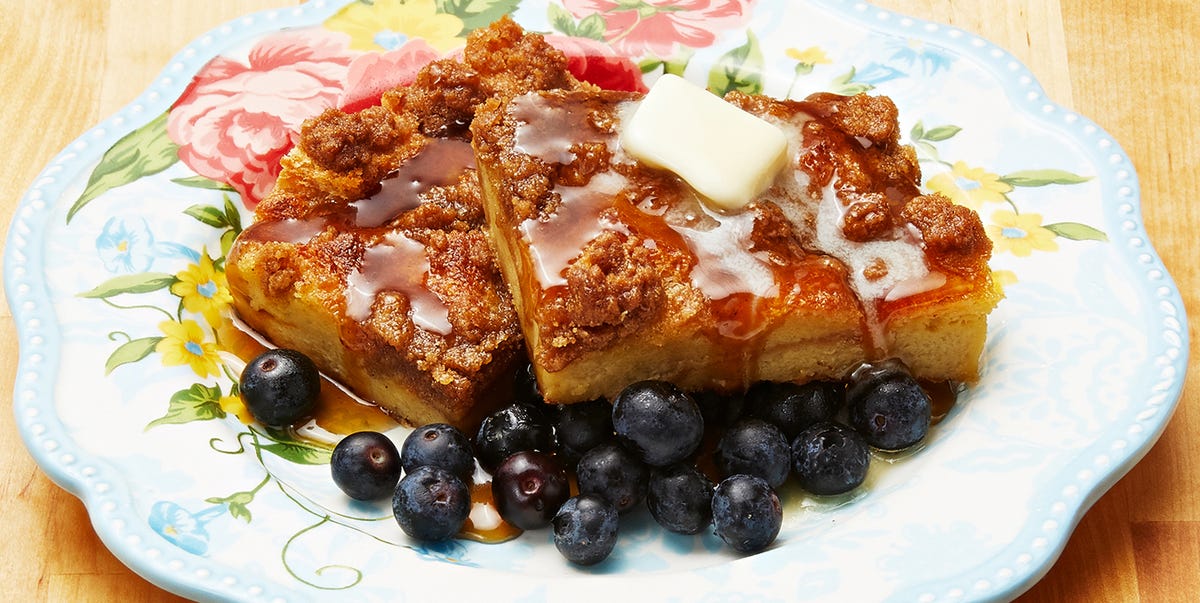
Baked French Toast Perfection: Choosing Bread & Avoiding Soggy Results
There are few culinary delights that conjure up feelings of warmth, comfort, and celebration quite like a perfectly executed pan of baked French toast. Imagine golden-brown, custardy bread, a sweet, crunchy topping, and a medley of seasonal fruits – it’s a dish that effortlessly transforms any morning into a special occasion. Whether it's a leisurely weekend brunch, a festive holiday breakfast, or a delightful offering for overnight guests, baked French toast consistently delivers. However, the path to baked French toast perfection is often fraught with a common pitfall: sogginess. A truly great French toast bake should be tender and custardy on the inside, with a slight chew and a beautifully crisp exterior, not a limp, overly wet mess. The secret to achieving this culinary nirvana lies predominantly in two critical areas: the thoughtful selection of your bread and the meticulous attention to preparation and baking. This comprehensive guide will equip you with all the knowledge and tips you need to master the art of baked French toast, ensuring every bite is a triumph of texture and flavor.The Foundation: Why Bread Choice Makes All the Difference
The bread you choose is the unsung hero of your baked French toast. It acts as the primary sponge for the rich custard, and its structure dictates the final texture of your dish. Opting for the wrong bread is the quickest route to a soggy disappointment.The Ideal Candidates for Baked French Toast
To achieve that coveted custardy interior without sacrificing structural integrity, you need a bread that is sturdy, a little dry, and has an open crumb.- French Bread (Baguette or Boule): This is a classic for a reason. Its crusty exterior and chewy interior are perfect for absorbing the custard without disintegrating. A slightly stale loaf is even better as it has less moisture to begin with.
- Sourdough Bread: The robust flavor and firm, open texture of sourdough make it an excellent choice. It holds its shape beautifully and provides a delightful tang that complements the sweet custard.
- Brioche: For a truly decadent experience, *brioche* is a fantastic option. This rich, buttery bread creates an incredibly tender and flavorful French toast. While it's softer than French bread or sourdough, its richness helps it stand up to the custard.
- Challah: Similar to brioche, *challah* is an enriched, slightly sweet bread with a beautiful, braided structure. It yields a wonderfully soft, custardy interior and a lovely golden crust.
- Cinnamon-Raisin Bread: If you're looking for an all-in-one flavor profile, thick slices of cinnamon-raisin bread add an extra layer of spice and sweetness, making for an even more indulgent treat.
Bread to Avoid (And Why)
While convenient, certain breads are simply not suited for baked French toast and will almost guarantee a soggy outcome.- Soft White Sandwich Bread: This bread is too tender and contains too much moisture. It will quickly become mushy when soaked in custard, lacking the necessary structure to hold up during baking.
- Pre-sliced, Thin Breads: Thin slices, regardless of the bread type, offer less surface area for a crust and are more prone to breaking down and becoming soggy.
Prepping Your Bread for Perfection
Once you’ve selected your bread, proper preparation is crucial.Cut your chosen loaf into 1-inch thick slices. This thickness provides the ideal balance between absorbing custard and maintaining structural integrity. Arrange these slices in a single layer in your greased 13x9-inch baking dish.
Pro Tip: Dealing with Fresh Bread: If you only have fresh bread on hand and no time for it to naturally go stale, don't despair! You can mimic the effect by spreading the slices on a baking sheet and lightly toasting them in a 300°F (150°C) oven for 10-15 minutes, or until slightly dried out. Let them cool completely before proceeding. This simple step significantly reduces moisture and improves absorbency.
Crafting the Custard: The Heart of Your Baked French Toast
Beyond the bread, the custard is the other fundamental component that determines the flavor and texture of your baked French toast. A well-balanced custard will infuse the bread with richness and moisture, creating that irresistible melt-in-your-mouth quality.The Perfect Ratio of Richness
The ideal custard for baked French toast calls for a blend that delivers both flavor and a luxurious consistency.The winning combination, as often highlighted by culinary experts, is a mix of milk and heavy cream. This pairing creates a custard that is lusciously thick and rich, coating the bread beautifully. The cream adds fat and richness, contributing to a more decadent texture, while the milk provides the necessary liquid for absorption.
While you *could* use half-and-half as an alternative, many chefs agree that a dedicated combination of milk and heavy cream yields a superior, more luscious result. It's strongly advised against using just milk, as the custard will be too thin and lack the desirable richness and mouthfeel, potentially contributing to a less satisfying, watery outcome. Eggs, of course, are essential, binding the liquids and thickening the custard during baking. Don't skimp on a touch of vanilla extract for that classic aroma!
The Overnight Soak Advantage
One of the greatest benefits of baked French toast is its make-ahead potential, and this is where the custard truly shines.After whisking your eggs, milk, cream, and any chosen spices (like cinnamon or nutmeg), pour this mixture evenly over your bread slices in the baking dish, turning the bread once to ensure every piece is thoroughly coated. The real magic happens when you cover the dish and refrigerate it. Ideally, let it sit overnight. This extended soak time allows the bread to fully absorb the rich custard, marrying the flavors and softening the bread perfectly without making it mushy. For more details on this fantastic technique, check out our guide on Overnight Baked French Toast: Your Easy Make-Ahead Breakfast. While you *can* bake it on the spot, an overnight soak consistently delivers a more deeply flavored and uniformly tender result, making it perfect for stress-free entertaining or a delightful family breakfast.
Conquering Soggy French Toast: Troubleshooting and Tips
Even with the right bread and custard, achieving truly perfect, non-soggy baked French toast requires a few more considerations during the baking process.Revisit Bread Choice (Most Common Culprit)
Don't Over-Custard Your Casserole
While it's important for the bread to be saturated, avoid drowning it in excessive custard. There should be enough liquid to thoroughly coat and soak into the bread, but not so much that the bread is swimming in it. A balanced ratio ensures the bread can absorb properly without leaving a pool of raw custard at the bottom of the dish. If you find you have a lot of leftover custard after the bread is well-coated, you might have too much for the amount of bread.The Power of Proper Baking
The baking process is where your baked French toast transforms from a soaked bread dish into a golden, delectable casserole.Bake Uncovered: This is a non-negotiable step for achieving that delightful, crunchy streusel topping. Baking uncovered allows the moisture to evaporate and the topping to caramelize and crisp up beautifully. This crispy contrast is often everyone's favorite part of the casserole!
Achieve the Right Temperature and Time: Preheat your oven to 375°F (190°C). Bake the French toast, uncovered, for approximately 40-45 minutes. The true test of doneness is when a knife inserted into the center comes out clean and the topping is golden brown and bubbly. If, for any reason, you find your casserole is still a bit soft or soggy in the middle after the recommended time, don't hesitate to bake it a bit longer. You can reduce the oven temperature slightly to 350°F (175°C) to prevent the topping from burning while the interior cooks through.
The Importance of Resting
Once out of the oven, it's tempting to dive right in, but patience is a virtue here. Let your baked French toast casserole stand for at least 10 minutes before cutting and serving. This resting period allows the casserole to set, firming up the custard and making it easier to serve clean, beautiful pieces.Elevating Your Baked French Toast with Toppings and Variations
While the core elements of bread and custard are paramount, the toppings and creative additions are where you can truly personalize your baked French toast and make it unforgettable.The Irresistible Streusel Topping
A sweet, crunchy streusel topping is a signature element of many beloved baked French toast recipes. A simple mix of flour, brown sugar, cold butter, and cinnamon (with optional nutmeg) crumbled over the top before baking creates a delightful textural contrast against the soft, custardy bread. The butter melts into the bread, while the sugar caramelizes, forming a glorious, golden-brown crust that's utterly addictive.Seasonal Fruit Pairings
Topping your baked French toast with fresh fruit adds brightness, color, and a burst of flavor. The best part? You can adapt it to any season:- Spring: Fresh raspberries, blueberries, or sliced strawberries.
- Summer: Sweet peaches, plums, nectarines, or a mix of blackberries and blueberries.
- Fall: Thinly sliced apples or pears, perhaps sautéed lightly with cinnamon.
- Winter: Segments of oranges, mandarins, or grapefruit, offering a zesty counterpoint.
Beyond the Basics: Creative Swaps
Don't be afraid to experiment with your baked French toast.- Custard Infusions: Add a splash of orange liqueur or rum to the custard for an adult twist. Almond extract can be a lovely alternative to vanilla.
- Streusel Additions: Mix in chopped pecans, walnuts, or shredded coconut into your streusel for extra crunch and flavor.
- Savory-Sweet Twist: While less common for baked versions, consider a sprinkle of cooked, crumbled bacon over the top of the streusel for a truly unique breakfast experience.
