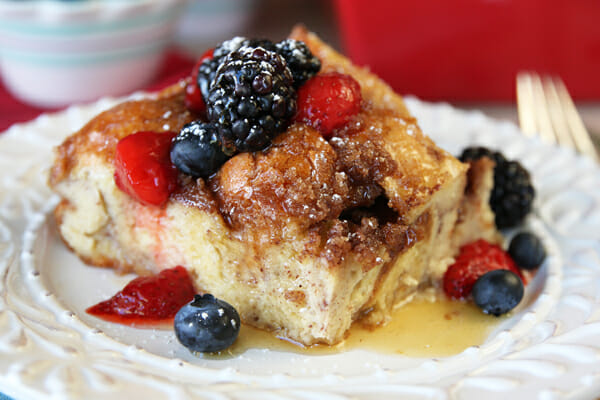
Imagine waking up to the aroma of a warm, sweet breakfast, ready to be pulled from the oven with minimal effort. This dream becomes a delicious reality with Overnight Baked French Toast. Forget the morning rush of dipping and flipping individual slices; this ingenious make-ahead method transforms classic French toast into a decadent, stress-free casserole that's perfect for holidays, special brunches, or simply making any ordinary morning feel extraordinary. By assembling your dish the night before, you allow the bread to soak up all the custardy goodness, resulting in an incredibly moist, flavorful interior with a delightful, crunchy topping.
The Magic of Make-Ahead Mornings: Why Overnight Baked French Toast is a Game-Changer
The beauty of baked French toast lies in its unparalleled convenience. For anyone who loves hosting brunch or simply wants a leisurely start to their day, this dish is a true revelation. Traditional French toast requires constant attention at the stovetop, often leaving the chef feeling more like a short-order cook than a relaxed host. The overnight baked version completely eliminates this hassle.
Here's why it's a breakfast superstar:
- Unbeatable Convenience: Prepare everything the night before, pop it in the fridge, and bake in the morning. This frees up precious time when you need it most, whether you're entertaining guests or just want an extra hour of sleep.
- Enhanced Flavor & Texture: The extended soaking time allows the bread to fully absorb the rich custard, leading to a deeper flavor profile and a wonderfully tender, melt-in-your-mouth texture that's difficult to achieve with immediate baking. It also helps prevent a dry interior, ensuring every bite is succulent.
- Feeds a Crowd Effortlessly: A single 13x9-inch baking dish can easily serve 6-8 people, making it ideal for family gatherings, potlucks, or overnight company without the need for multiple batches.
- Stress-Free Entertaining: Imagine serving a warm, impressive breakfast to your loved ones without breaking a sweat. This dish allows you to enjoy your company rather than being tethered to the stove.
This culinary hack truly straddles the line between a hearty breakfast and an indulgent dessert, making it universally appealing. It's no wonder it's a beloved staple for many families, bringing a touch of home-cooked luxury to the breakfast table.
Crafting Your Culinary Masterpiece: Step-by-Step Guide to Baked French Toast
Creating a heavenly baked French toast casserole is simpler than you might think. The key is in the preparation and allowing time for the magic to happen overnight. Here’s a detailed breakdown:
1. Selecting the Perfect Bread
The foundation of any great baked French toast is the bread. This isn't the place for soft, squishy sandwich bread, which tends to turn soggy. Instead, opt for a sturdy, crusty loaf that can withstand prolonged soaking and still hold its structure. Excellent choices include:
- French Bread: A classic for a reason, offering a good balance of crust and soft interior.
- Challah: Its rich, eggy dough provides a wonderfully tender texture and adds a hint of sweetness.
- Brioche: For an extra decadent experience, brioche's buttery richness takes the dish to another level.
- Cinnamon-Raisin Bread: A fantastic option if you want to infuse extra spice and sweetness directly into the base.
- Sourdough: While less common, a crusty sourdough can offer a delightful tang that balances the sweetness of the custard and topping.
Pro Tip: Day-old or slightly stale bread is actually preferable! It's drier and will absorb the custard more efficiently, preventing a soggy outcome. Cut your chosen bread into generous 1-inch thick slices or 1-inch cubes. Arrange these in a single, even layer in a greased 13x9-inch baking dish.
2. Whisking Up the Luscious Custard
The custard is the heart of your baked French toast. It needs to be rich and flavorful to saturate the bread properly. In a large bowl, lightly beat your eggs (typically 6-8, depending on the recipe's volume). To this, add your sugar, vanilla extract, a pinch of salt, and spices like cinnamon and, if desired, a touch of nutmeg. The secret to a truly luscious custard lies in the dairy combination: a mix of milk and heavy cream. This blend provides a richness that pure milk simply can't replicate. While you *could* use half-and-half, avoiding just milk ensures your custard isn't too thin, which could lead to a less decadent result.
Once your custard is thoroughly mixed, pour it evenly over the bread slices in the baking dish. Gently turn the bread once or twice to ensure every piece is thoroughly coated. Cover the dish tightly with plastic wrap and refrigerate it overnight, allowing the bread ample time to soak up all that wonderful liquid.
3. The Morning Bake and Crunchy Topping
The next morning, preheat your oven to 375°F (190°C). Remove the dish from the refrigerator and, if needed, turn the bread again to ensure even absorption. Now for the irresistible crunchy topping! In a small bowl, combine all-purpose flour, brown sugar, cold butter (cut into small pieces), ground cinnamon, and optionally, a pinch of nutmeg. Use your fingers or a pastry blender to mix until crumbly. Sprinkle this delightful streusel mixture evenly over the soaked bread.
Bake the baked French toast uncovered for 40-45 minutes, or until the topping is golden brown and a knife inserted into the center comes out clean. Baking uncovered is crucial for achieving that coveted crunchy, caramelized topping. Let the casserole stand for about 10 minutes after baking before slicing and serving. This allows the internal structure to set, making it easier to cut.
Elevating Your Baked French Toast: Tips for Perfection and Seasonal Flair
While the basic recipe for baked French toast is fantastic, a few extra touches and considerations can elevate it from great to truly unforgettable.
Optimal Bread Selection Revisited
As mentioned, the bread makes a significant difference. If you're concerned about your baked French toast turning out soggy, prioritize bread that is sturdy and slightly stale. A fresh, soft loaf will simply dissolve into mush. If you only have fresh bread, you can lightly toast the slices in the oven for 10-15 minutes to dry them out slightly before cutting and adding to the dish.
The Perfect Custard Consistency
The ratio of eggs to dairy is vital. Too few eggs, and the custard won't set properly; too many, and it can become rubbery. Ensure your custard is well-mixed but not over-whipped, which can incorporate too much air. Adding a tablespoon of cornstarch to your custard can also help create a thicker, more stable texture, ensuring it truly clings to the bread.
Seasonal Fruit Pairings
One of the joys of baked French toast is its versatility with toppings. Fresh fruit not only adds vibrant color but also a burst of natural sweetness and often a refreshing tartness that cuts through the richness. Think seasonally for the best flavor:
- Spring: Fresh raspberries, strawberries, or a mix of colorful berries.
- Summer: Sliced peaches, nectarines, plums, or juicy blackberries.
- Fall: Caramelized apples or pears, perhaps with an extra sprinkle of cinnamon.
- Winter: Orange segments, grapefruit supremes, or even a mixed berry compote.
For even more creative ideas, check out our article on Decadent Baked French Toast: Seasonal Fruits & Creative Bread Swaps.
Beyond Fruit: Creative Toppings & Serving Suggestions
While fresh fruit is a classic, don't limit yourself! Consider:
- A dollop of whipped cream or crème fraîche
- A drizzle of maple syrup, honey, or a fruit compote
- A sprinkle of confectioners' sugar
- Chopped toasted nuts (pecans, walnuts) for extra crunch
- A dusting of cocoa powder for a chocolatey twist
This dish is robust enough to stand alone, but it also pairs beautifully with a side of crispy bacon, sausage, or a simple fruit salad for a complete brunch spread.
Troubleshooting Common Baked French Toast Woes
Even with the best intentions, sometimes a recipe doesn't turn out quite as expected. Here are some common issues with baked French toast and how to prevent or fix them:
- Soggy Casserole: The most frequent complaint. This is almost always due to using bread that is too soft or too fresh, which can't absorb the custard without disintegrating. Ensure you use sturdy, slightly stale bread. If your casserole still feels soggy, try baking it for an additional 5-10 minutes, or until a knife inserted into the center comes out clean and the edges are well-browned.
- Dry Interior: This can happen if your bread slices are too thin, or if there isn't enough custard to adequately soak the bread. Ensure your slices are thick (1-inch) and that the bread is fully submerged in the custard overnight.
- Bland Flavor: Don't skimp on the seasonings in the custard! Vanilla extract, cinnamon, and a pinch of salt are essential. An overnight soak also significantly develops the flavor.
- Topping Not Crunchy: Make sure your oven is preheated to the correct temperature and that you bake the casserole uncovered. If the topping still isn't crisping up, you can finish it with a quick broil for 1-2 minutes, watching it very carefully to prevent burning.
With these tips in mind, you're well on your way to crafting a consistently perfect baked French toast.
Overnight baked French toast is more than just a recipe; it's an invitation to a more relaxed and flavorful morning. Its make-ahead magic simplifies entertaining, while the combination of a rich, custardy interior and a sweet, crunchy topping creates an unforgettable breakfast experience. Whether you're celebrating a special occasion or simply treating your family to a luxurious start to the day, this easy, delectable dish is sure to become a cherished favorite. So, plan ahead, assemble tonight, and savor the sweet rewards tomorrow.
