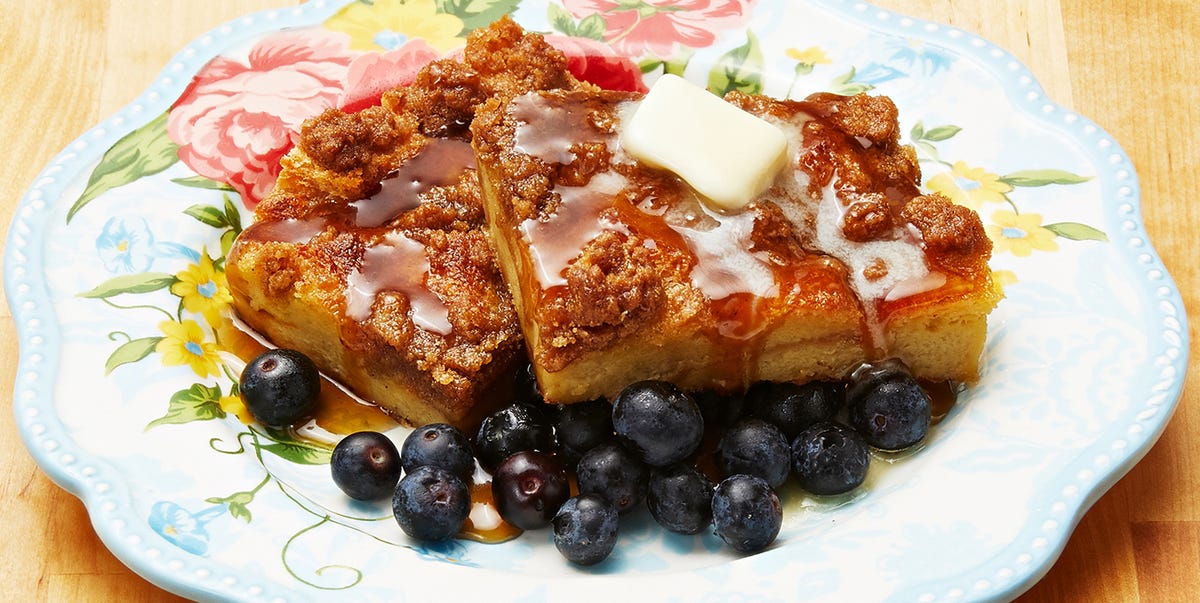
Imagine waking up to the aroma of warm cinnamon, sweet custard, and golden-brown bread, without the morning rush of flipping individual slices. That's the magic of baked French toast – a truly decadent breakfast experience that transforms an ordinary meal into a special occasion. This versatile dish is not just a crowd-pleaser; it's a culinary canvas awaiting your personal touch, from seasonal fruit toppings to creative bread swaps. Whether you're hosting overnight guests, planning a festive brunch, or simply craving a luxurious start to your day, this make-ahead marvel delivers comfort and indulgence in every bite.
The Allure of Baked French Toast: A Breakfast Game-Changer
Unlike its griddle-fried counterpart, baked French toast offers a hands-off approach to a beloved classic. It's an ingenious solution for feeding a crowd, allowing you to assemble everything the night before and simply pop it in the oven come morning. This convenience doesn't sacrifice flavor; in fact, the overnight soak often deepens the richness of the custard, resulting in an exceptionally tender interior and a beautifully crisp topping. It perfectly straddles the line between a hearty breakfast and a delightful dessert, making it an ideal choice for any celebratory gathering, from holiday brunches to spontaneous weekend get-togethers.
The beauty of the baked version lies in its consistent texture and the sheer ease of preparation. No more standing over a hot stove, flipping slices one by one. Instead, you create a harmonious casserole where every piece of bread soaks up the luscious custard, bakes to golden perfection, and is crowned with a crunchy, caramelized streusel. It's a dish that promises smiles and satisfied bellies, making any day feel a little more extraordinary.
Crafting the Perfect Custard: The Heart of Your Baked French Toast
The foundation of an unforgettable baked French toast lies in two critical components: the bread and the custard. Get these right, and you're well on your way to breakfast nirvana.
Bread Selection is Paramount
The type of bread you choose significantly impacts the final texture of your casserole. To avoid a soggy result and achieve that desirable creamy-yet-firm consistency, opt for a sturdy, day-old loaf. Think beyond standard sandwich bread, which is often too soft and will collapse under the weight of the custard. Instead, consider:
- Challah: Known for its rich, eggy flavor and soft, yet structured crumb.
- Brioche: Even richer and more buttery than challah, offering a truly decadent base.
- Sourdough: Its slight tang provides a wonderful contrast to the sweet custard, and its crusty exterior holds up beautifully.
- French Bread/Baguette: A classic choice, offering a neutral flavor and excellent absorbency.
- Cinnamon-Raisin Bread: For an extra layer of spice and sweetness, an all-out indulgent option.
Whichever you select, aim for slices about 1-inch thick. If your bread isn't day-old, you can quickly "stale" it by slicing and spreading it on a baking sheet, then toasting it lightly in a low oven for 10-15 minutes until it's slightly dry but not browned. For more expert advice on choosing the perfect loaf and avoiding common pitfalls, explore our guide on Baked French Toast Perfection: Choosing Bread & Avoiding Soggy Results.
The Rich Custard Base
The custard is where the magic happens, infusing the bread with moisture and flavor. A robust custard is key to preventing a watery or bland casserole. For the most luscious results, a combination of milk and heavy cream is highly recommended. While you could substitute half-and-half, using just milk will result in a custard that lacks the desired richness and body.
Typically, the custard calls for:
- Eggs: The binding agent that gives the custard its structure.
- Milk and Heavy Cream: The perfect duo for a thick, velvety texture.
- Sweeteners: Granulated sugar or maple syrup for balanced sweetness.
- Flavorings: Vanilla extract is a must, often complemented by warming spices like cinnamon and a pinch of nutmeg.
Lightly beat the eggs, then whisk in the milk, cream, sweeteners, and spices until well combined. Arrange your bread slices in a single layer in a greased baking dish, then pour the egg mixture evenly over the bread, turning the slices once to ensure every piece is thoroughly coated. This initial soak sets the stage for a uniformly tender and flavorful outcome.
Overnight Magic (Optional but Recommended)
One of the greatest advantages of baked French toast is its make-ahead capability. After pouring the custard over the bread, cover the dish and refrigerate it overnight. This extended soak allows the bread to fully absorb the custard, leading to an incredibly tender, almost pudding-like interior that is bursting with flavor. The bread becomes deeply infused, resulting in a more cohesive and delicious final product. When morning arrives, all that's left to do is sprinkle on the topping and bake! To master this preparation, delve into Overnight Baked French Toast: Your Easy Make-Ahead Breakfast.
A Symphony of Flavors: Seasonal Fruits & Creative Toppings
While the bread and custard form the backbone, the toppings are where you can truly let your culinary creativity shine, transforming your baked French toast into a seasonal masterpiece.
Seasonal Fruit Spotlight
Embracing seasonal fruits not only ensures the freshest flavors but also allows for endless variations throughout the year:
- Spring: Bright and tangy berries like fresh raspberries, blueberries, strawberries, and blackberries add a burst of color and sweetness.
- Summer: Juicy peaches, nectarines, and cherries are sublime, offering a tender sweetness that pairs beautifully with the rich toast.
- Fall: Sliced and sautéed apples or pears, perhaps with a touch of cinnamon, bring cozy, comforting notes to the dish. Roasted cranberries can also add a tart counterpoint.
- Winter: Zesty citrus segments (oranges, grapefruits) or vibrant pomegranate arils can cut through the richness and provide a refreshing pop.
You can layer fruit within the casserole before baking, or for the freshest presentation and flavor, scatter fresh fruit over the baked French toast just before serving. A combination of both—perhaps some berries baked in and more fresh berries on top—is often ideal.
The Irresistible Streusel Topping
The crunchy streusel topping is arguably everyone's favorite part of baked French toast. It provides a crucial textural contrast to the soft, custard-soaked bread and caramelizes beautifully in the oven. A classic streusel typically includes:
- All-purpose flour
- Brown sugar (for its deep, molasses-rich flavor)
- Cold butter (cut into small pieces, rubbed in until crumbly)
- Cinnamon (and optionally, a pinch of nutmeg)
Sprinkle this mixture generously over the soaked bread just before baking. Baking the casserole uncovered is key to achieving that perfectly golden-brown and delightfully crisp streusel. This caramelized crunch offers a sweet counterpoint to the tender interior, elevating the entire dish.
Beyond the Bake: Finishing Touches
Once your baked French toast emerges from the oven, golden and fragrant, let it stand for about 10 minutes to set before slicing. Then, unleash the final flourishes:
- A dusting of confectioners' sugar for an elegant finish.
- A dollop of freshly whipped cream or a scoop of vanilla ice cream.
- A generous drizzle of warm maple syrup or honey.
- Creative additions like toasted nuts (pecans, walnuts), chocolate chips, or a sprinkle of lemon zest for an added layer of aroma.
Troubleshooting Common Baked French Toast Queries
Even seasoned home cooks can encounter minor hiccups. Here are solutions to common questions about baked French toast:
Why is my baked French toast soggy?
Sogginess is often attributed to a few factors:
- Bread Choice: Using bread that is too soft (like white sandwich bread) or not stale enough can lead to it breaking down and becoming mushy. Always opt for crusty, day-old bread like challah or sourdough.
- Custard Ratio: A custard that's too thin (too much milk, not enough eggs or cream) won't set properly. The combination of milk and heavy cream ensures a richer, thicker custard.
- Baking Time: Not baking long enough can leave the center undercooked and watery. Ensure a knife inserted into the center comes out clean and the topping is golden brown. If it's looking too dark on top but still soggy, loosely tent with foil and continue baking.
Can I make it gluten-free?
Absolutely! Many bakeries now offer excellent gluten-free versions of challah or brioche. Simply swap your preferred gluten-free sturdy bread for the traditional option. The rest of the recipe remains the same, ensuring a delicious gluten-free breakfast for everyone.
Are there vegetarian/vegan adaptations?
While this recipe traditionally uses dairy and eggs, adaptations are possible. For a vegetarian version, the recipe is already suitable. For a vegan version, you would need to use plant-based milks and creams (like full-fat coconut milk or cashew cream), and an egg substitute (such as a flax egg or a commercial egg replacer). Be aware that the texture might vary slightly from the classic version due to the differences in ingredients, but a delicious vegan alternative can certainly be achieved with some experimentation.
Decadent baked French toast is more than just a recipe; it's an invitation to create, to gather, and to indulge. Its forgiving nature and adaptability make it a staple for any home cook, offering endless possibilities for customization with seasonal fruits and creative bread choices. Whether you prepare it overnight for an effortless morning or assemble and bake it on the spot, this dish promises a comforting, memorable meal that will delight your family and guests. So, gather your ingredients, unleash your creativity, and savor the exceptional taste of homemade baked French toast, made special just for you.
